
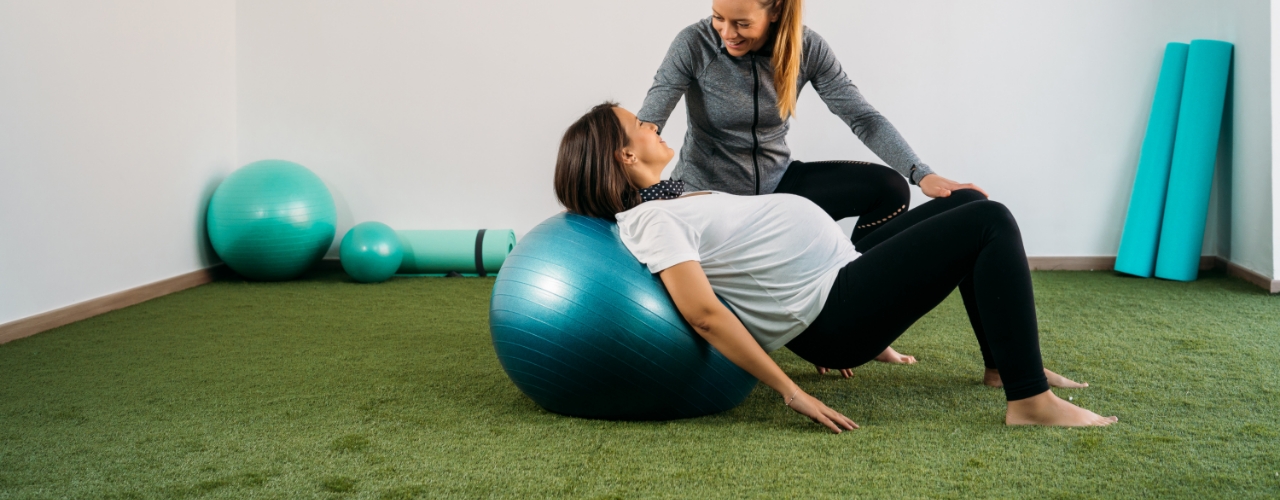
The pelvic floor functions to provide support as well as many other functions throughout different life stages. Pelvic pain may occur during menstruation, pregnancy, and menopause. It may also be worsened with certain conditions such endometriosis, PCOS, pregnancy complications, and hormonal imbalances.
Pelvic floor therapy in Fort Worth, TX is a conservative option to reduce pain and discomfort, learn more about your body, and prepare for the birth of a child. This kind of specialized therapy focuses on strengthening as well as elongating and preparing the pelvic floor for birth and post-partum recovery.
Are you currently or planning to become pregnant? Prenatal and post-partum physical therapy in Fort Worth, TX can help guide you through these beautiful seasons and give you encouragement as well as reduced pain.
Endometriosis
Endometriosis is a condition many women suffer from without even knowing it. It is a painful condition affecting the ovaries, fallopian tubes, and the tissue lining the pelvic floor. With endometriosis, the tissue that normally lines the interior of your uterus begins to grow outside of it, causing excess scarring. For some women, it can take years to receive a diagnosis, which can be extremely frustrating as you travel from doctor to doctor looking for relief.
The bones, muscles, ligaments, and nerves in the pelvic region are often affected. Symptoms include:
- Pelvic pain
- Pain in the lower back or abdomen
- Excessive bloating and tightness in the abdomen
- Fertility issues
- Pain during intercourse
- Painful urination and/or bowel movements during menstruation
- Abnormal or heavy flow during menstrual cycles
- Nausea/vomiting
- Constipation
- Fatigue
Pelvic floor rehabilitation can help reduce the pain and bloating that you may be experiencing with endometriosis, in addition to strengthening the pelvic floor muscles.
Some common techniques used during pelvic floor rehabilitation for endometriosis include:
Ultrasound therapy
This kind of therapy focuses on using soothing heat for relief in the affected pelvic region. It’s a safe and effective way to relax tight muscles and tissue.
Diaphragmatic breathing
Your physical therapist can teach you how to practice deep breathing exercises. These will allow your diaphragm to expand and contract properly, which helps in relaxing muscles in the pelvic area. Relaxed muscles will drop and lengthen, providing simple pain relief. These breathing exercises can also be done at home.
Relaxation techniques
Physical therapy also focuses on relaxing! Relaxing your muscles allows them to ease tension, which makes it easier to stretch and massage them later. It’s not always easy to relax on command though, so your physical therapist may suggest specific relaxation techniques, such as guided imagery or biofeedback, to assist you with the process.
Urinary Incontinence
Urinary incontinence is common during and after pregnancy. This is because the muscles of the pelvic floor may become weaker.
If you’re struggling with urinary incontinence, a physical therapist can help determine the root of your problem. Instead of simply treating the symptoms, your physical therapist can focus on the cause and focus on strengthening the muscles under your bladder. This will help treat and eliminate your incontinence issues.
Exercises to strengthen the pelvic floor muscles, known as Kegels, can sometimes help people with stress incontinence. Kegels can also help people with urge incontinence. Sometimes bladder retraining can also help; this process involves gradually increasing the interval time between trips to the bathroom, working up to longer and longer intervals between bathroom stops.
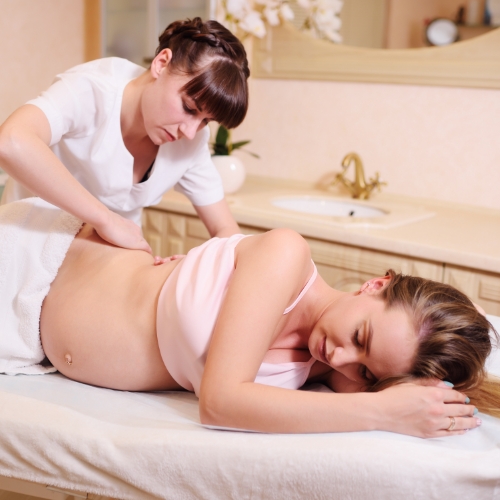
Therapy for prenatal and postpartum pain
There are many reasons why you may experience prenatal or postpartum pain, especially in the pelvis and back regions. Some common causes of pain are as follows:
Changes in posture.
When you’re pregnant, your center of gravity changes. To compensate for this, most women will adjust their posture and how they move, sometimes without even realizing they are doing so.
Changes in hormones.
During pregnancy, your body releases a hormone known as “relaxin.” This increases joint laxity (looseness) in the pelvic area. This is your body’s natural way of preparing for birth; however, this hormone causes ligaments in the spine to loosen, resulting in less stability and more risk for the pain to ensue.
Increased weight.
Women typically gain 25-35 pounds during pregnancy. This puts extra stress on the spine, and the growing baby in your uterus also puts extra pressure on the nerves and blood vessels surrounding your back and pelvis.
Separation of muscles.
As your stomach continues to expand throughout your pregnancy, extreme stress is put on your abdominal muscles. With continued expansion, these muscles can separate along the center, in a condition known as “diastasis recti.” This may cause a muscle imbalance that places more stress on the spine, which may result in back pain.
Our pelvic floor specialists offer both pre- and postnatal treatments for pregnancy-related pain relief. At your initial appointment, you will be greeted by one of our experienced and dedicated physical therapists. They will perform a physical evaluation to assess the nature of your symptoms.
Your medical history and any health risks will also be discussed and considered before creating a treatment plan. After your evaluation, your physical therapist will put together an individualized program for you aimed at providing relief pelvic pain, and allowing for a smooth pregnancy and/or recovery from childbirth.
Treatment plans typically involve gentle therapeutic exercises, stretches, and manual therapy. These are all done to relieve pain, strengthen your core muscles, and improve posture. Your physical therapist may also suggest additional methods, such as massage therapies, to provide other relief and optimum function as deemed necessary.
Expecting and new mothers unite!
Call ClearCut Rehab today if you’re experiencing pre-or postnatal pain or pelvic discomfort in Fort Worth, TX. Our therapists utilize the most advanced techniques for providing our patients with the relief they’ve been seeking for so long. We’re here to provide you with the assistance you need.
Your Next Steps…
Request An Appointment
Receive A Custom Treatment Plan
Work Hard and Progress In Your Recovery
Recover & Enjoy Life Pain-Free!