
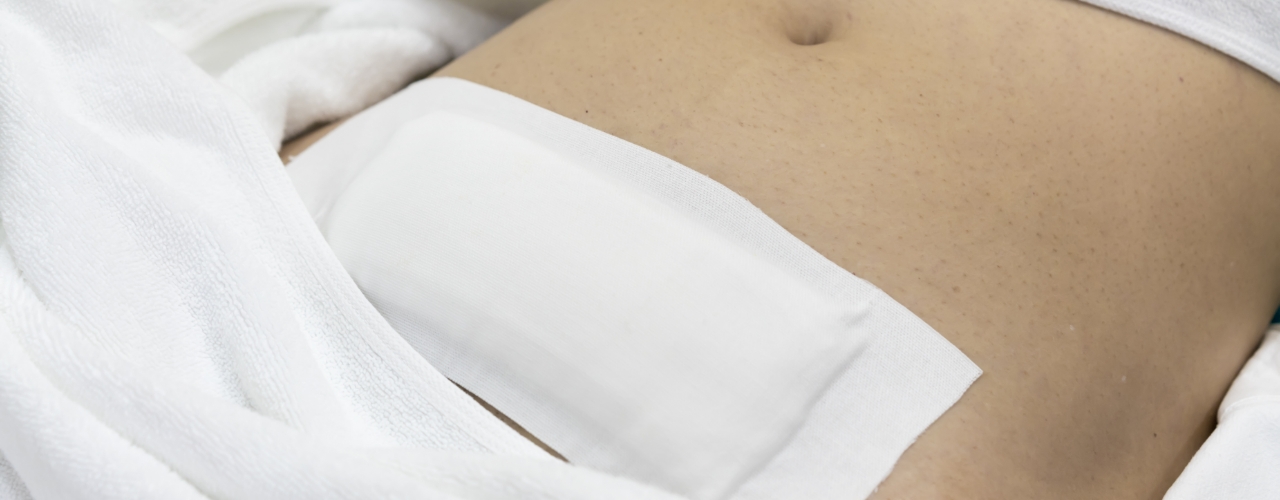
Common Conditions Requiring Post-Surgical Care
- Hysterectomy
- C-Section
- Abdominal surgeries
- Hernia repair
- Diastasis recti repair
- Bladder sling
- Prolapse repair
- Fibroid removal
- Endometriosis surgery
Hysterectomy
Are you still experiencing pelvic pain after your hysterectomy? Is your pain not going away no matter how many hot packs you apply or how much rest you get? At ClearCut Rehab, we specialize in treating the painful symptoms that can accompany a hysterectomy.
Are you ready to return to the active lifestyle you enjoy, free of pain and limitation? Contact our Fort Worth, TX clinic today to learn about your treatment options.
What is a hysterectomy?
Hysterectomy is a surgery that removes the uterus. A hysterectomy can be done to treat uterine fibroids, endometriosis, cancer, or other conditions. It also can be performed as a form of permanent birth control.
Hysterectomies are typically done through an incision in the abdomen or vagina. The procedure can be performed as an outpatient surgery or as an inpatient surgery depending on your needs and medical history.
The recovery time after a hysterectomy depends on what type of surgery you have. A total abdominal hysterectomy could likely take longer to recover from than a vaginal hysterectomy because of the larger incision made in the abdomen.
What complications may occur as a result of a hysterectomy?
It’s possible to experience pelvic pain and incontinence following a hysterectomy. Thankfully, the pelvic physical therapists at ClearCut Rehab are highly skilled in evaluating and treating various musculoskeletal and neurological conditions affecting the body.
This profession focuses on assessing any underlying factors that could be causing your symptoms such as weakness, poor neuromuscular control, impaired balance and coordination, poor posturing, and impaired endurance. These things may be contributing to impaired functional mobility, reduced activity participation, and decreased quality of life.
What can I expect in physical therapy?
Every patient presenting with chronic pelvic pain is unique. If you come to see a physical therapist for your pelvic dysfunction, you’ll be taken through a physical examination and a patient history questionnaire. They will ask you specific questions about your pain, what makes it worse and better, and whether you have a history of any related issues.
Based on the results of the examination, your physical therapist can then develop a customized treatment plan to relieve your symptoms and address the suspected underlying cause. The treatment is then used to prevent recurring dysfunction and help you to build strength in weak areas or to relax tense muscles that cause pain.
Strength, endurance, flexibility, and motor control of the pelvic floor muscles will also be evaluated to help in determining the best route for your treatment plan.
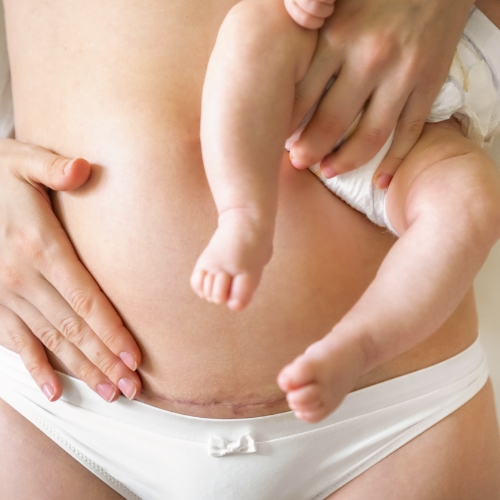
Postpartum Conditions (Episiotomy & C-Section Scar)
The woman who has just given birth is adjusting to motherhood, but her body is adjusting to new physical dysfunctions. We quickly forget that our vital organs have been out of place for months, the muscles have weakened, pelvic widened, pelvic floor became tight or weak and potentially scarred down.
Common Postpartum Symptoms:
- Urinary Difficulties and Leakage
- Anal Incontinence
- Pelvic Organ Prolapse
- Constipation
- Pelvic Floor Pain/Pressure
- Scar Pain
- Weak Core Muscles (Diastasis Recti)
- Low Back Pain
- General Body Weakness
Join Our Fort Worth, TX Postpartum Program
It is very important for all new moms to be educated in the following:
- Breathing and Rib Mobility
- Bladder/Uterus/Rectum Mobility
- Visceral mobilization of vital organs to be placed back to pre-pregnancy state
- Assessment for Diastasis Recti
- Strengthening of core, lower abs and back muscles
- Correcting pelvic joint alignments
- Scar mobilization after vaginal birth and C-section
- Manually releasing Pelvic Floor spasticity and trigger points
- Pelvic floor stretching
- Proper lifting techniques
- Progressing into advanced core strengthening
- Return to gym program
How can a Physical Therapist help?
Based on the evaluation results, our ClearCut Rehab Physical Therapist will individualize treatment to strengthen your Pelvic Floor muscles and to improve their function. You will also gain control over your symptoms and reduce your dysfunctions. Your physical therapist will discuss diet and nutrition, change in behavior, postural training, and develop a plan to return you to your previous level of function.
During Your First Evaluation:
Our Fort Worth, TX physical therapist will complete a thorough review of your medical history, and perform a physical examination to identify the causes of your pelvic pain and any joint issues, muscle tightness or weakness, or nerve involvement.
The exam may include:
- Pelvic girdle screening
- Soft tissue assessment
- Pelvic girdle assessment
- Spinal assessment
- Visual inspection of the tissues
- Reflex testing, Sensation testing
- Internal assessment of pelvic floor muscles.
Ready to find relief? Contact ClearCut Rehab today!
Are you looking for a long-term solution to your pain so you can feel whole, strong and confident once again?
At ClearCut Rehab, we specialize in helping women recover from surgery. If you’re ready to move forward from your pain, contact our Fort Worth, TX clinic today!
Your Next Steps…
Request An Appointment
Receive A Custom Treatment Plan
Work Hard and Progress In Your Recovery
Recover & Enjoy Life Pain-Free!